Document the existing condition
Visual review, adhesion checks, thickness readings, moisture or contamination testing and targeted investigation can reveal how the existing system is performing. The assessment should capture both typical areas and known high-risk details rather than relying on one convenient sample.
Where structural deterioration or hazardous existing materials may be present, the appropriate engineering, testing and environmental specialists should be involved before the coating scope is finalized.
Account for exposure and service demands
Localized defects may support a maintenance-coating approach, while widespread failure can require full removal and more extensive substrate repair. Edges, joints, welds, cracks and penetrations may need dedicated detailing within the specification.
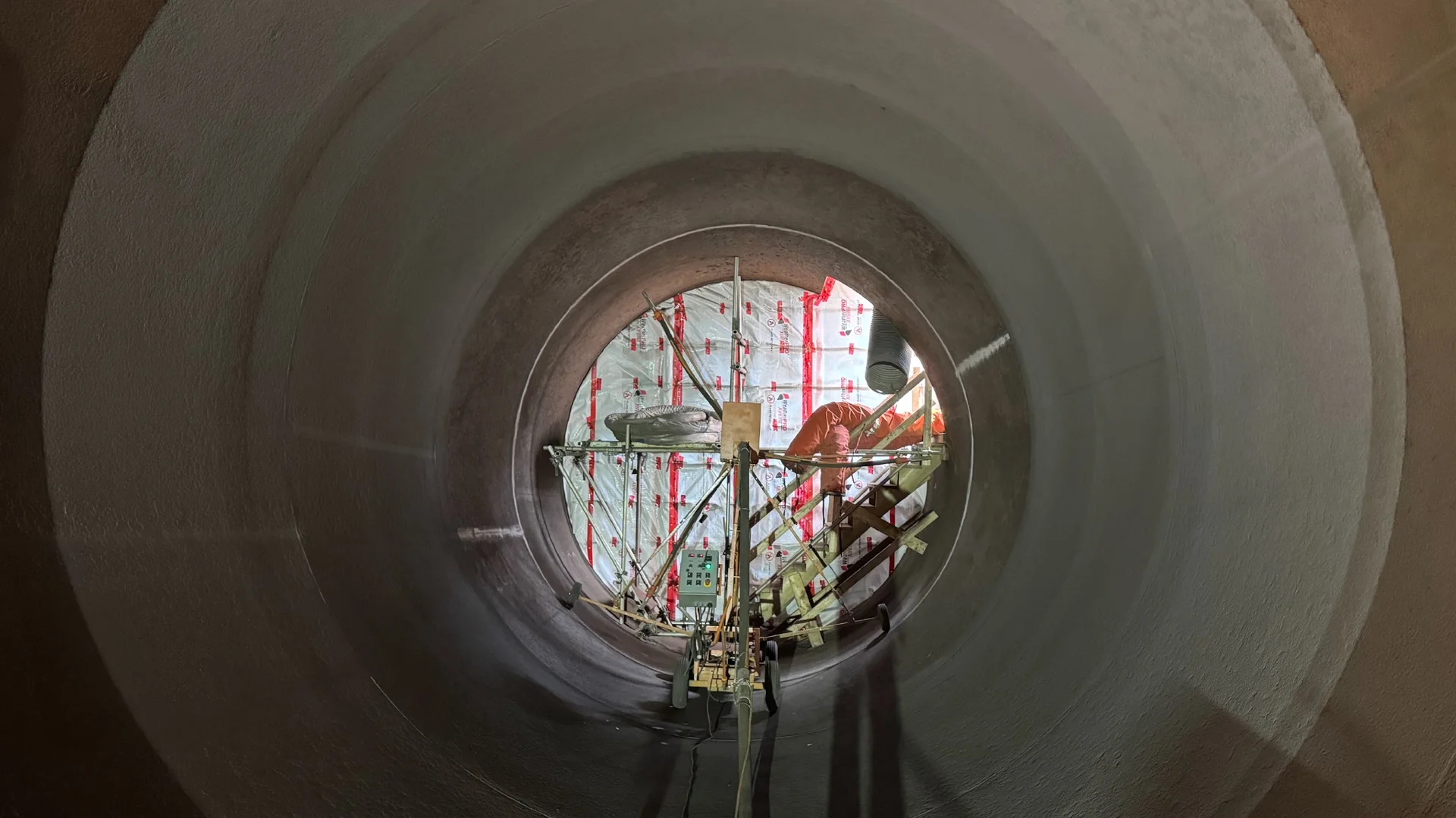
Access, containment and operating constraints also influence what can be prepared and coated safely without compromising the required standard.
Turn findings into a performance specification
The specification should state the exposure, expected service, compatible products, preparation requirements, application limits and inspection hold points. This gives the owner, consultant and contractor a shared definition of the finished system.
When the specification reflects verified site conditions, pricing is clearer and the installed coating is more likely to deliver the intended protection.