
Why surface condition matters
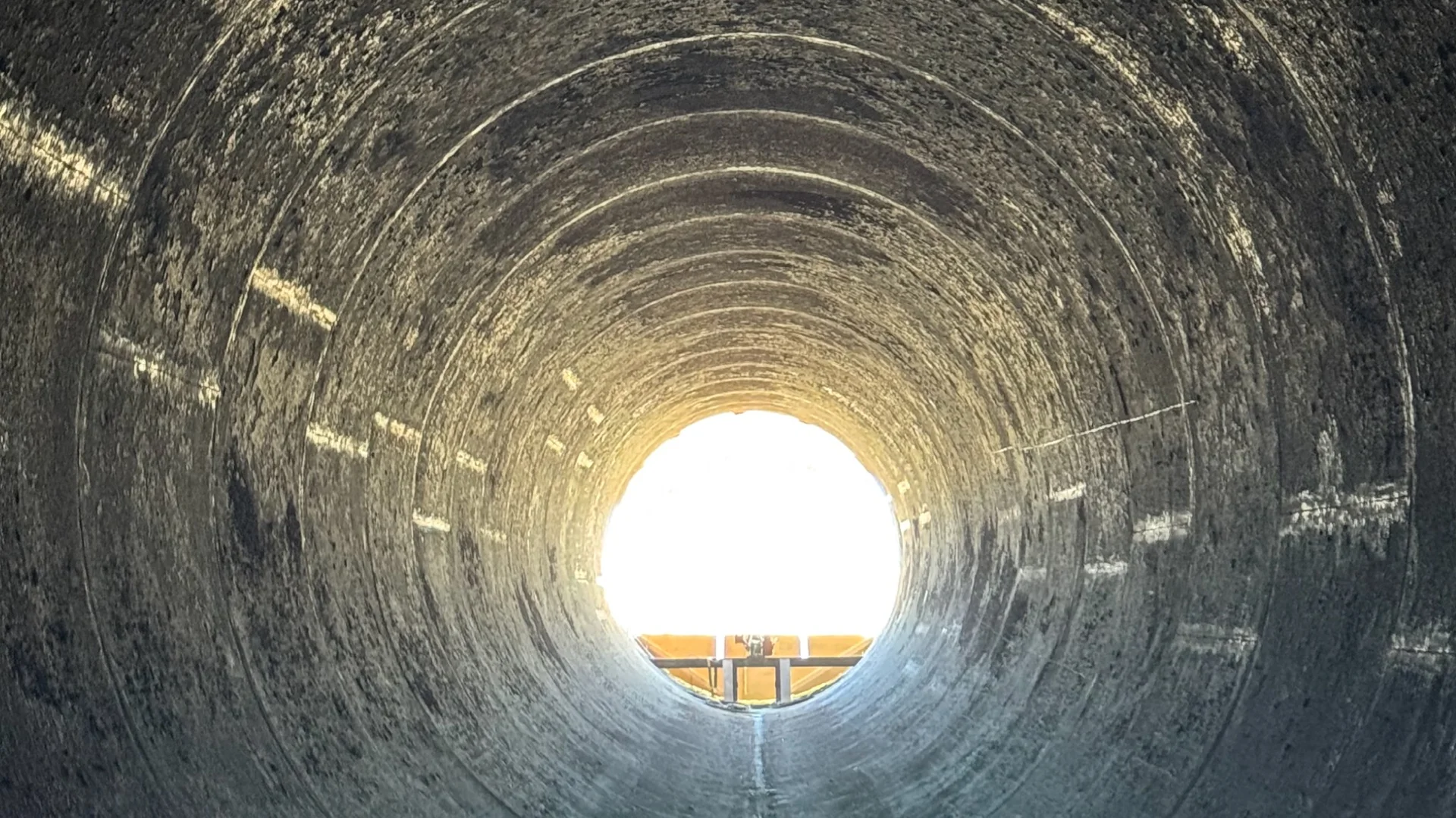
Steel and concrete present different failure modes, and every asset carries its own exposure history. The team should identify corrosion, delamination, cracking, previous coating condition, contamination and areas requiring repair before mobilizing preparation equipment.
That assessment helps define whether abrasive blasting, mechanical preparation, water cleaning, localized repair or another method is appropriate for the specified coating system.
Match preparation to the coating system
Preparation is not simply about making a surface look clean. The finished surface needs the cleanliness and profile required by the product manufacturer and project specification so primers and subsequent coats can develop their intended bond.
Edges, welds, penetrations and difficult access points deserve particular attention because inconsistent preparation in these areas can lead to premature breakdown.
Verify cleanliness, profile and dryness
Dust, surface moisture, air temperature, substrate temperature, humidity and the time between preparation and coating can affect the result. Documented checks create a clear handoff between preparation and application crews.
The strongest coating program treats preparation, environmental monitoring and quality control as part of the installed protection system—not as separate administrative steps.